

Restaurant and Food Service Building Roofing
Commercial roofing for restaurants, quick-service chains, breweries, and food service facilities throughout Charlotte, NC.
Commercial Roofers Charlotte
Restaurant and Food Service Building Roofing work starts with a documented roof walk and ends with a scope owners can use.
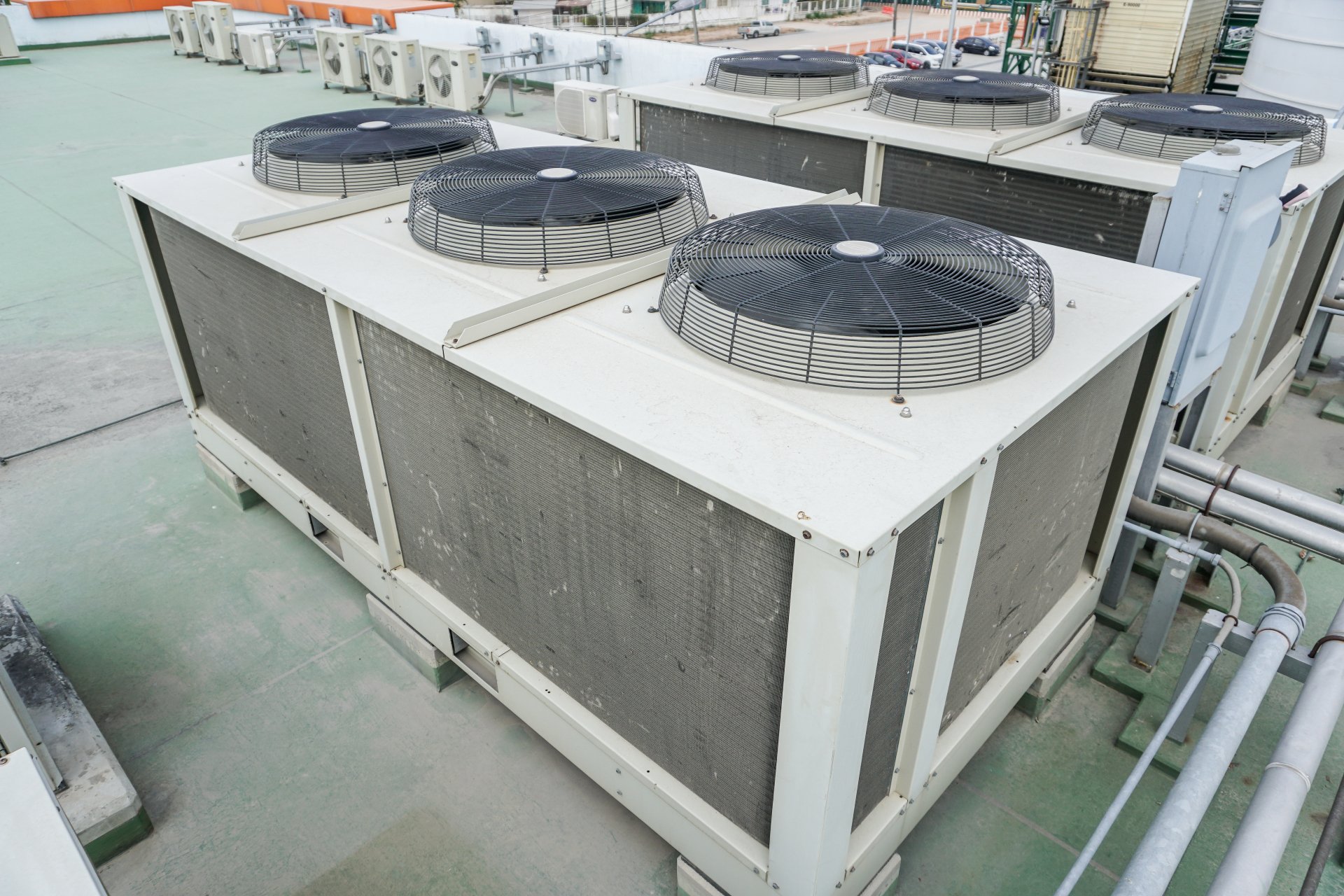
Charlotte's food and beverage scene has exploded over the past decade, with South End breweries, NoDa tasting rooms, and a relentless wave of fast-casual concepts filling strip centers from Ballantyne to University City. Behind every kitchen hood pulling grease-laden air to the sky sits a roofing assembly that takes serious punishment. Rooftop exhaust flashing deteriorates faster on restaurant buildings than on virtually any other commercial structure, and in the Carolina Piedmont's humid subtropical climate, that deterioration accelerates every summer. A poorly flashed exhaust curb allows moisture to track directly into the building envelope, and the health department notices long before the owner does.
Quick-service restaurants along the Independence Boulevard corridor and the fast-food clusters near Carowinds on I-77 share a common maintenance challenge: multiple penetrations punched through low-slope membranes to accommodate drive-through exhaust runs, make-up air units, and walk-in cooler condensers. Each penetration is a potential entry point for water during Charlotte's thunderstorm season, which routinely dumps two to four inches overnight. TPO membranes heat-welded around custom-fabricated curbs provide the watertight continuity that mastic-and-flashing-tape details never quite achieve long-term.
Grease vapor rising from commercial cooking equipment doesn't just leave residue on a flue collar - it migrates laterally across the membrane surface, softening adhesives, blackening walkway pads, and eventually compromising seams if the exhaust stack lacks a proper grease containment curb. Charlotte roofing crews working the restaurant corridor on Pineville-Matthews Road have learned to spec grease-resistant PVC at exhaust locations even when the field membrane is TPO, taking advantage of PVC's inherent resistance to animal fats and cooking oils without re-roofing the entire field.
Walk-in coolers create a distinct moisture threat that's easy to overlook during a roof inspection. The cooler curb itself is insulated, but condensation forms where the warm, humid Charlotte air contacts the cold exterior wall of the cooler housing. If the roof membrane laps improperly against that curb, repeated thermal cycling works the lap open over months, allowing moisture into the wall cavity. Once that happens, mold remediation becomes a health code issue, not just a roofing one. Specifying a welded termination bar with sealant renewal on a two-year cycle catches this failure mode early.
The first visit produces a practical roof record: current conditions, visible failure points, drainage notes, access concerns, and the repair or replacement path that fits the building.
Owners get a written scope that separates urgent water-control work from longer-term capital planning, so the roof decision is not made from guesswork.
The closeout package keeps the next decision clear with before photos, after photos, material notes, warranty coordination, and recommended maintenance timing.
For occupied buildings, staging, access, odor control, and tenant communication are part of the roof plan before crews arrive.
For portfolio owners, the goal is consistent documentation across properties, not a one-off opinion that cannot be compared later.
Can a new single-ply membrane be installed over an existing BUR roof on a Charlotte building?
Yes, if the moisture survey shows the existing BUR insulation is dry and the BUR plies are structurally intact. Most major TPO and EPDM manufacturers have published recover specifications that allow their membrane to be installed over a sound BUR substrate. The recover specification typically requires a cover board - high-density polyiso or gypsum - over the existing BUR surface before the new membrane is installed. We verify the recover specification with the manufacturer before scoping and obtain manufacturer confirmation that the recover configuration qualifies for the target warranty term.
How many cores do you pull on a Charlotte BUR moisture survey?
Minimum five locations on a roof under 10,000 square feet. On larger roofs we target one core per 2,000 to 2,500 square feet, concentrated in areas showing surface deflection, prior repair work, or drainage anomalies. On BUR roofs with a history of localized leaks, we pull additional cores around the reported leak locations and at all four parapet corners - the highest-probability moisture entry points on older Charlotte BUR systems.
Does BUR work require a permit?
Replacement and recover projects above the City of Charlotte's threshold - currently $30,000 in contract value for commercial work - require a building permit filed with the relevant jurisdiction. We handle permitting as part of our scope for all BUR replacement and recover projects in Charlotte, Mecklenburg County, and the surrounding municipalities. Repair work below the permit threshold does not typically require a permit, but we document all repair work to the same standard regardless of permit status.
BUR assessment for an older Charlotte commercial building?
We will walk the roof, pull moisture cores, and produce a written assessment with recover-vs-tear-off recommendation - for any BUR system in Uptown, South End, NoDa, or anywhere else in the Charlotte metro.
Planning Restaurant and Food Service Building Roofing
Restaurant and Food Service Building Roofing should be evaluated through the roof condition, the building use, the owner's timing, and the level of documentation needed to make a decision.
The written record should make the next step clear without relying on broad claims or generic sales language.
Request a Written Scope