

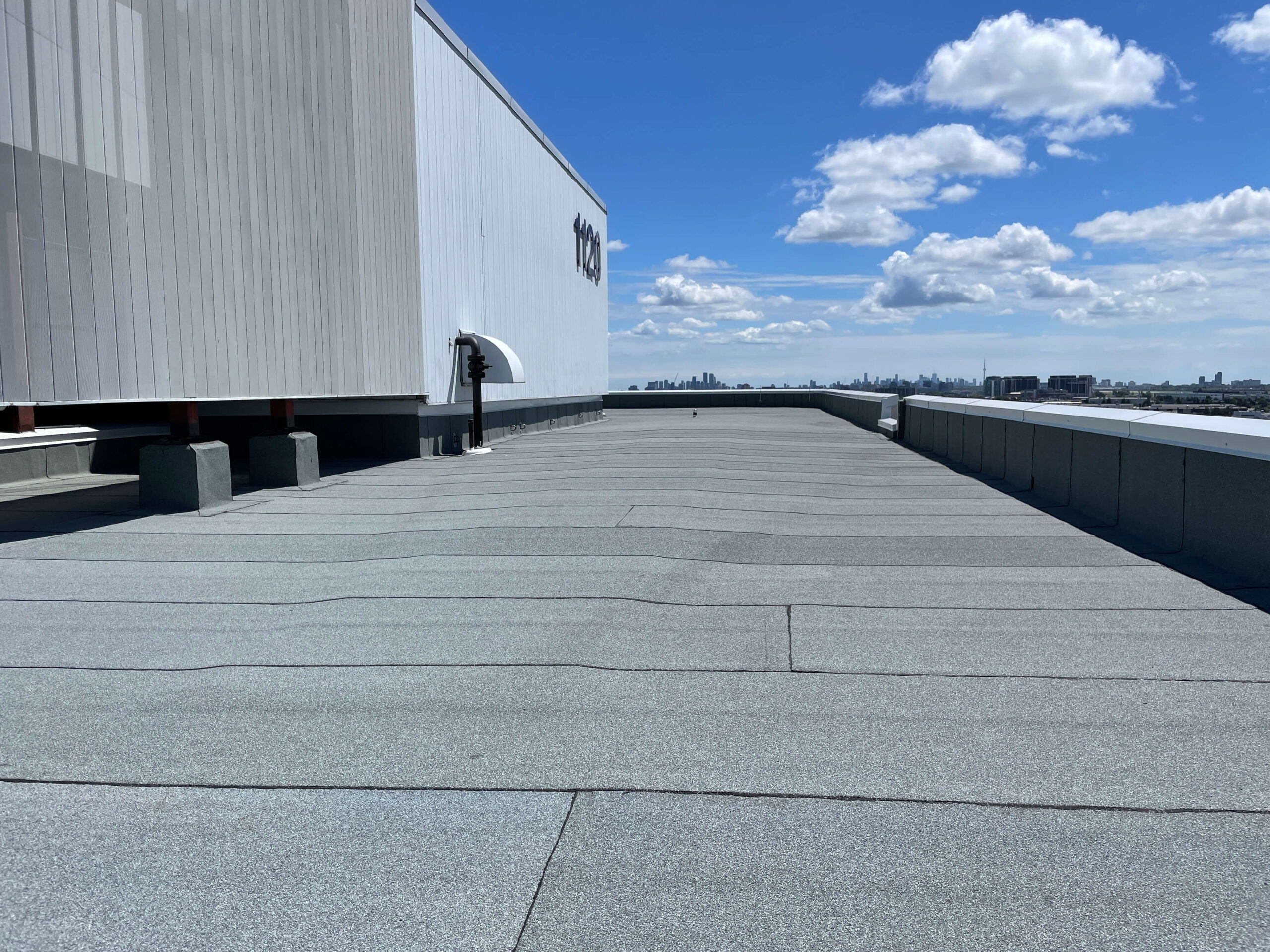
Multifamily and Apartment Building Roofing
Roofing for apartment complexes, multifamily housing, and HOA-managed communities throughout Charlotte, NC.
Commercial Roofers Charlotte
Multifamily and Apartment Building Roofing work starts with a documented roof walk and ends with a scope owners can use.
The Carolinas' weather patterns create a distinctive roofing risk profile for Charlotte apartment buildings. Tropical moisture from the Atlantic and Gulf of Mexico tracks inland through the Piedmont, delivering occasional intense rainfall events and, in active seasons, remnant tropical systems that produce prolonged wind and rain. Winter ice storms - more frequent than many transplants from northern markets expect - create drainage problems when ice dams form at parapet walls on flat or low-slope apartment roofs. And the summer heat and humidity that prevails from June through September creates thermal cycling stress on single-ply membranes and accelerates adhesive deterioration at seam laps. Property management companies overseeing large Charlotte apartment portfolios have found that seasonal inspection timing - fall inspection before winter weather and spring inspection after storm season - catches deterioration patterns most cost-effectively.
Investors acquiring Charlotte apartment complexes in the current market need to understand that the city's construction boom has created significant variability in roofing quality on recently completed projects. Charlotte's sustained high construction volume has stretched roofing labor capacity, and some projects completed between 2018 and 2023 show quality control gaps on roof installations where the general contractor's timeline pressure outran the roofing subcontractor's ability to deliver a properly installed system. Pre-acquisition inspections on buildings less than ten years old should specifically evaluate seam weld quality on TPO systems, because inadequate weld width is a latent defect that may not manifest as an active leak until several years after installation.
The HOA and condo market in Charlotte's outer suburbs - communities in Ballantyne, Huntersville, and Concord - includes a large number of townhome and condominium associations that were established during the 2000s construction wave and are now approaching their second roof replacement cycle. These associations have institutional memory of the first replacement project, which is an advantage. Many have reserve studies in place and understand the mechanics of funding capital projects. The challenge for some of these Mecklenburg County and Union County associations is that their original reserve study assumptions were based on lower construction costs than today's market reflects, and the gap between reserved funds and actual project cost is significant enough to require either special assessment supplements or reserve loan financing.
Property management companies in Charlotte that oversee value-add apartment assets for private equity clients understand that roof condition documentation has to be integrated into asset management reporting from day one. When a private equity fund acquires a 300-unit complex in Eastland or along the Brookshire Freeway corridor as a value-add play, the roof condition going in directly affects the capital expenditure schedule that investors have agreed to. Surprises on the roof - failed sections that weren't caught in due diligence, or repairs that were noted but not properly scoped - create tension between sponsors and LP investors that damages relationships and can affect future capital raise capacity. We build pre-acquisition inspection reports specifically to eliminate that category of surprise.
Owners get a written scope that separates urgent water-control work from longer-term capital planning, so the roof decision is not made from guesswork.
The closeout package keeps the next decision clear with before photos, after photos, material notes, warranty coordination, and recommended maintenance timing.
For occupied buildings, staging, access, odor control, and tenant communication are part of the roof plan before crews arrive.
For portfolio owners, the goal is consistent documentation across properties, not a one-off opinion that cannot be compared later.
The first visit produces a practical roof record: current conditions, visible failure points, drainage notes, access concerns, and the repair or replacement path that fits the building.
Can a new single-ply membrane be installed over an existing BUR roof on a Charlotte building?
Yes, if the moisture survey shows the existing BUR insulation is dry and the BUR plies are structurally intact. Most major TPO and EPDM manufacturers have published recover specifications that allow their membrane to be installed over a sound BUR substrate. The recover specification typically requires a cover board - high-density polyiso or gypsum - over the existing BUR surface before the new membrane is installed. We verify the recover specification with the manufacturer before scoping and obtain manufacturer confirmation that the recover configuration qualifies for the target warranty term.
How many cores do you pull on a Charlotte BUR moisture survey?
Minimum five locations on a roof under 10,000 square feet. On larger roofs we target one core per 2,000 to 2,500 square feet, concentrated in areas showing surface deflection, prior repair work, or drainage anomalies. On BUR roofs with a history of localized leaks, we pull additional cores around the reported leak locations and at all four parapet corners - the highest-probability moisture entry points on older Charlotte BUR systems.
Does BUR work require a permit?
Replacement and recover projects above the City of Charlotte's threshold - currently $30,000 in contract value for commercial work - require a building permit filed with the relevant jurisdiction. We handle permitting as part of our scope for all BUR replacement and recover projects in Charlotte, Mecklenburg County, and the surrounding municipalities. Repair work below the permit threshold does not typically require a permit, but we document all repair work to the same standard regardless of permit status.
BUR assessment for an older Charlotte commercial building?
We will walk the roof, pull moisture cores, and produce a written assessment with recover-vs-tear-off recommendation - for any BUR system in Uptown, South End, NoDa, or anywhere else in the Charlotte metro.
Planning Multifamily and Apartment Building Roofing
Multifamily and Apartment Building Roofing should be evaluated through the roof condition, the building use, the owner's timing, and the level of documentation needed to make a decision.
The written record should make the next step clear without relying on broad claims or generic sales language.
Request a Written Scope