

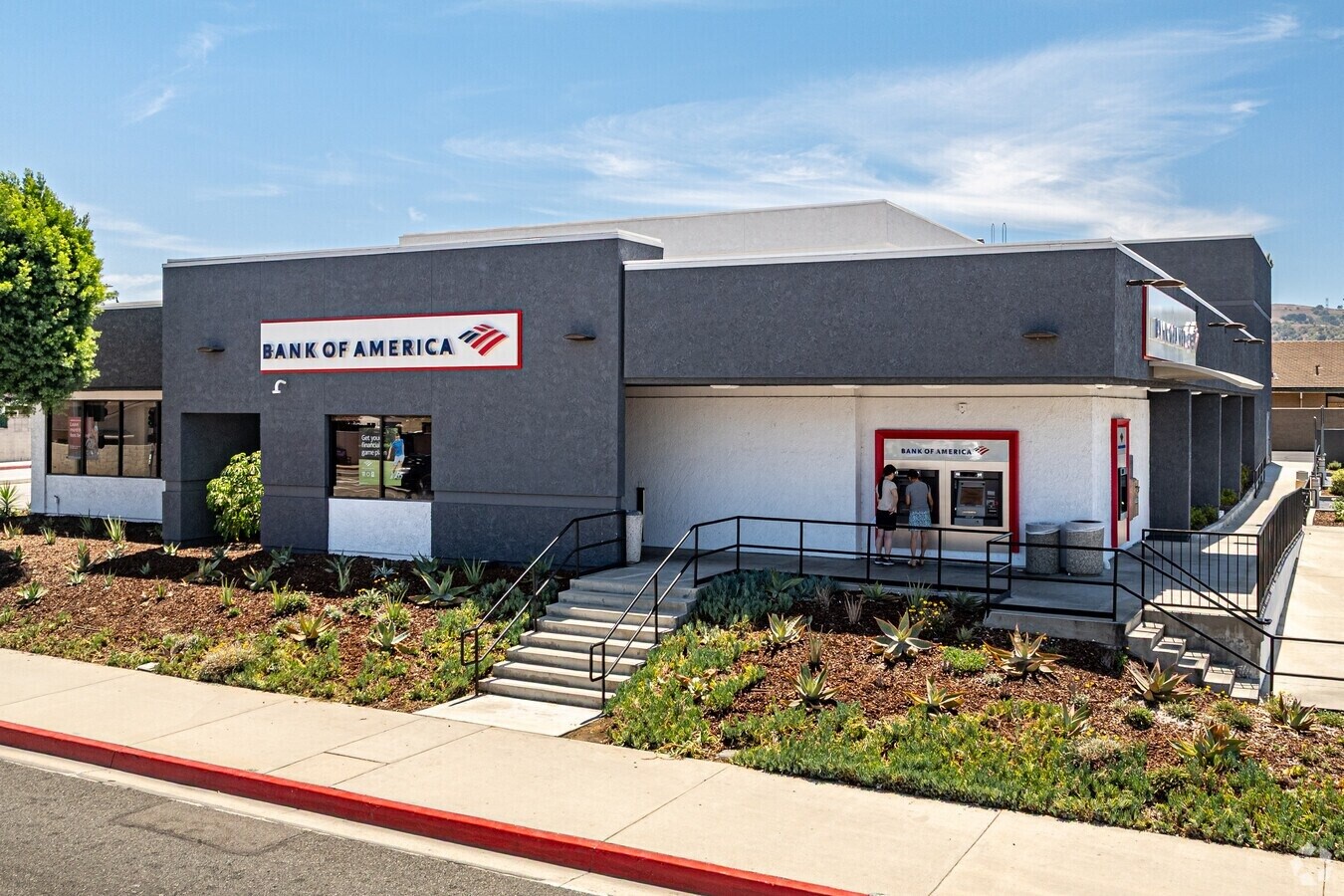
Bank & Financial Building Roofing
Bank branch and financial building roofing in Charlotte, NC. We handle small high-visibility flat roofs, drive-through canopies, security access, and multi-site programs in the nation's #2 banking hub.
Commercial Roofers Charlotte
Bank & Financial Building Roofing roof work is shaped by occupancy, access, drainage, tenant protection, and the warranty path that fits the building.
Charlotte runs on banking. It is the second-largest banking center in the country behind New York, home to financial district's headquarters and financial district's, and the East Coast hub for financial district - and the financial footprint shows up at street level as hundreds of branches, operations centers, and credit-union offices spread from Uptown out through SouthPark, Ballantyne, and every commuter corridor in between. We roof those buildings for the corporate real estate teams and the community institutions that own them, and the work is defined less by square footage than by how exposed and how scrutinized every square foot is.
A branch roof is small, and that is exactly what makes it demanding. There is little field area to absorb a detailing mistake, and the roof you can see from the drive-through lane or the parking lot is part of the bank's brand presentation. A streaked, patched, or ponding roof on a financial building reads as neglect to the customers below it, so appearance and watertightness carry equal weight on these projects in a way they rarely do on a warehouse.
The first visit produces a practical roof record: current conditions, visible failure points, drainage notes, access concerns, and the repair or replacement path that fits the building.
Owners get a written scope that separates urgent water-control work from longer-term capital planning, so the roof decision is not made from guesswork.
The closeout package keeps the next decision clear with before photos, after photos, material notes, warranty coordination, and recommended maintenance timing.
For occupied buildings, staging, access, odor control, and tenant communication are part of the roof plan before crews arrive.
For portfolio owners, the goal is consistent documentation across properties, not a one-off opinion that cannot be compared later.
More penetrations than the footprint suggests
A bank branch packs an unusual amount of equipment onto a small roof. Drive-through canopy transitions, ATM and night-deposit enclosures, a standby generator with its rooftop exhaust, and precision air conditioning serving the server and communications room all create discrete flashing requirements above a building that might be only a few thousand square feet. The penetration density per square foot rivals a far larger commercial building, and on a roof this size there is no margin for a sloppy detail - one bad pitch pan over a teller line or a vault is an immediate, visible problem.
The drive-through canopy is the usual culprit
The single most reliable source of chronic leaks on a retail bank is the drive-through canopy where it ties into the main building wall. That connection lives through constant thermal cycling, takes overspray and wash-down from the lanes, and moves with differential settlement between the canopy structure and the building - conditions a standard retail flashing detail is simply not built to survive long term. We treat the canopy-to-wall transition as its own line item, evaluate it separately from the field membrane, and where it shows deterioration we re-flash it with a detail designed for that differential movement. Replacing the field membrane and ignoring the canopy tie-in is how a branch keeps leaking after a full reroof.
Security access shapes the schedule
Financial buildings govern contractor access more tightly than almost any other property type, and that drives the project plan. Crew badging, background screening, escort requirements for any work near vault or cash-handling areas, and camera documentation of contractor activity on the roof are all standard at bank-owned properties here. We build the security coordination timeline into the bid schedule and the crew-credentialing requirements from the start, so the badging and escort process is accounted for rather than surfacing as a delay or a change order after the contract is signed. We also identify vault and secure-room locations from the drawings before mobilizing and sequence work over those zones into approved windows.
Working around business hours
Branches generally run Monday through Saturday with sensitive operations directly below the roof, where even a minor water intrusion over a server room or a customer floor is an immediate business disruption. We concentrate active tear-off and installation in off-hours and weekends, confirm daily dry-in before the branch opens each morning, and set noise limits during customer-service hours with the branch manager and the corporate facilities team. The membrane choice follows the small-roof reality: a fully adhered 60-mil TPO or PVC gives a clean, watertight field with minimal fastener penetrations, and white TPO meets the cool-roof energy requirements most jurisdictions apply to commercial reroof permits.
Single-ply over the field, attention at every edge
On a roof this small the perimeter and the penetrations are most of the work. We give the edge metal, the parapet and wall flashings, and every curb the kind of attention a larger roof spreads across a broad field - because on a branch, the edges and details essentially are the roof. That focus is what keeps a financial building dry through the freeze-thaw swings and summer thunderstorms the Piedmont delivers.
Multi-site programs
Most financial institutions here own or operate many locations under a centralized real estate structure, and roofing those portfolios is a regular part of our work. National programs come with preferred-vendor processes, standardized scope documentation, and national-account pricing frameworks, and we work inside those for portfolio accounts. For the community banks and credit unions managing individual properties across the Charlotte market, we work directly. Either way we deliver standardized scoping, condition reporting, and pricing across the portfolio, with a single project-management contact for the facilities team and closeout documentation - insurance and license verification, daily reports, manufacturer warranty registered to the owner, and the permit and inspection package - formatted to drop straight into a corporate vendor-management system.
Bank & Financial Building Roofing Questions
We concentrate active tear-off and installation in off-hours and weekends, with daily dry-in confirmed before the branch opens each morning. Work windows, noise limits during customer-service hours, and any security-escort requirements for roof access are coordinated with the branch manager and the corporate facilities team.
The canopy-to-wall transition is treated as its own flashing item, not rolled into the field membrane. It is evaluated separately, and if it shows deterioration it is re-flashed with a detail built for the differential movement these connections see. It is the most common chronic leak source on a bank branch, and it is never fixed by replacing the field membrane alone.
Typically contractor insurance and license verification before mobilization, a pre-construction safety plan, daily work and dry-in reports, manufacturer warranty registered in the owner's name, and a final permit and inspection package. We work within each institution's vendor-management process for approved-contractor registration.
Yes. We identify vault and secure-room locations from the drawings before mobilizing, sequence work over those zones into approved windows, and confirm with the security team that no active operations are affected by vibration or temporary access changes during the work.
Request a Written Scope