

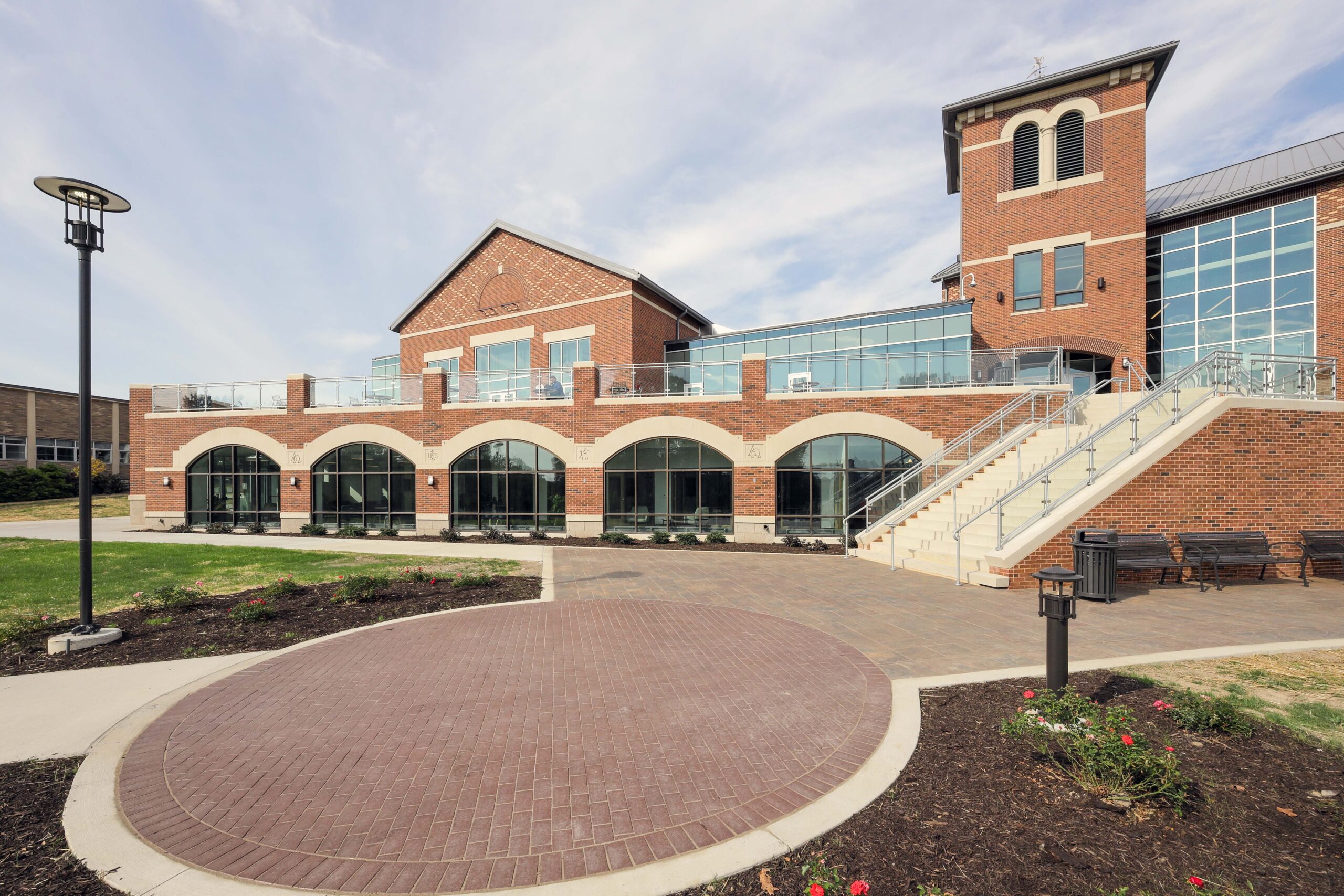
University and College Campus Roofing
Commercial roofing for university buildings, dormitories, academic halls, and college campuses throughout Charlotte, NC.
Commercial Roofers Charlotte
University and College Campus Roofing work starts with a documented roof walk and ends with a scope owners can use.
The University of North Carolina at Charlotte has grown from a regional commuter campus into a major research university with more than thirty thousand students and a rapidly expanding physical plant that now includes research buildings, a law school, athletic facilities, and student housing across a sprawling suburban campus in northeast Charlotte. UNCC's growth trajectory means that the university is simultaneously managing the roofing needs of legacy buildings from its earlier construction eras and specifying new systems for buildings still under construction. Contractors who can serve both ends of this spectrum - legacy assessment and remediation alongside new construction specifications - are best positioned for the range of work that UNCC generates.
Semester break scheduling at UNC Charlotte is governed by the UNC System calendar and by the university's significant summer enrollment, which reduces the availability of unoccupied academic buildings during the primary summer roofing window. The most accessible window for major building work typically runs from mid-May to mid-June, before summer session courses begin, and again from early August to mid-August before fall semester. Dormitory buildings are available for major work during winter break and during periods when housing is configured for summer conference programming rather than student residents.
Multi-building campus programs at UNCC are managed through the university's Facilities Management division under master services agreements that allow multi-year project call-offs within approved capital programs. The university's growth pace means that new buildings regularly enter the facilities maintenance inventory, and contractors who maintain comprehensive condition records for all UNCC buildings in their scope consistently outperform contractors who treat each project as a fresh engagement. Program continuity is particularly valued by UNCC's facilities management team because of the complexity of managing a fast-growing campus with limited in-house technical staff.
Charlotte's climate creates roofing conditions that are more demanding than many contractors familiar with mild Southeastern markets expect. The Piedmont receives occasional winter ice storms that create freeze-thaw loading on roofing systems, and summer thunderstorm activity generates intense short-duration rainfall events that exceed the capacity of undersized drainage systems. UNCC's campus, which was largely built during the suburban expansion era of the 1980s and 1990s, includes buildings with drainage designs that predated current stormwater standards, and contractors who assess these buildings should identify drainage adequacy as part of their condition evaluation.
The closeout package keeps the next decision clear with before photos, after photos, material notes, warranty coordination, and recommended maintenance timing.
For occupied buildings, staging, access, odor control, and tenant communication are part of the roof plan before crews arrive.
For portfolio owners, the goal is consistent documentation across properties, not a one-off opinion that cannot be compared later.
The first visit produces a practical roof record: current conditions, visible failure points, drainage notes, access concerns, and the repair or replacement path that fits the building.
Owners get a written scope that separates urgent water-control work from longer-term capital planning, so the roof decision is not made from guesswork.
Can a new single-ply membrane be installed over an existing BUR roof on a Charlotte building?
Yes, if the moisture survey shows the existing BUR insulation is dry and the BUR plies are structurally intact. Most major TPO and EPDM manufacturers have published recover specifications that allow their membrane to be installed over a sound BUR substrate. The recover specification typically requires a cover board - high-density polyiso or gypsum - over the existing BUR surface before the new membrane is installed. We verify the recover specification with the manufacturer before scoping and obtain manufacturer confirmation that the recover configuration qualifies for the target warranty term.
How many cores do you pull on a Charlotte BUR moisture survey?
Minimum five locations on a roof under 10,000 square feet. On larger roofs we target one core per 2,000 to 2,500 square feet, concentrated in areas showing surface deflection, prior repair work, or drainage anomalies. On BUR roofs with a history of localized leaks, we pull additional cores around the reported leak locations and at all four parapet corners - the highest-probability moisture entry points on older Charlotte BUR systems.
Does BUR work require a permit?
Replacement and recover projects above the City of Charlotte's threshold - currently $30,000 in contract value for commercial work - require a building permit filed with the relevant jurisdiction. We handle permitting as part of our scope for all BUR replacement and recover projects in Charlotte, Mecklenburg County, and the surrounding municipalities. Repair work below the permit threshold does not typically require a permit, but we document all repair work to the same standard regardless of permit status.
BUR assessment for an older Charlotte commercial building?
We will walk the roof, pull moisture cores, and produce a written assessment with recover-vs-tear-off recommendation - for any BUR system in Uptown, South End, NoDa, or anywhere else in the Charlotte metro.
Planning University and College Campus Roofing
University and College Campus Roofing should be evaluated through the roof condition, the building use, the owner's timing, and the level of documentation needed to make a decision.
The written record should make the next step clear without relying on broad claims or generic sales language.
Request a Written Scope