

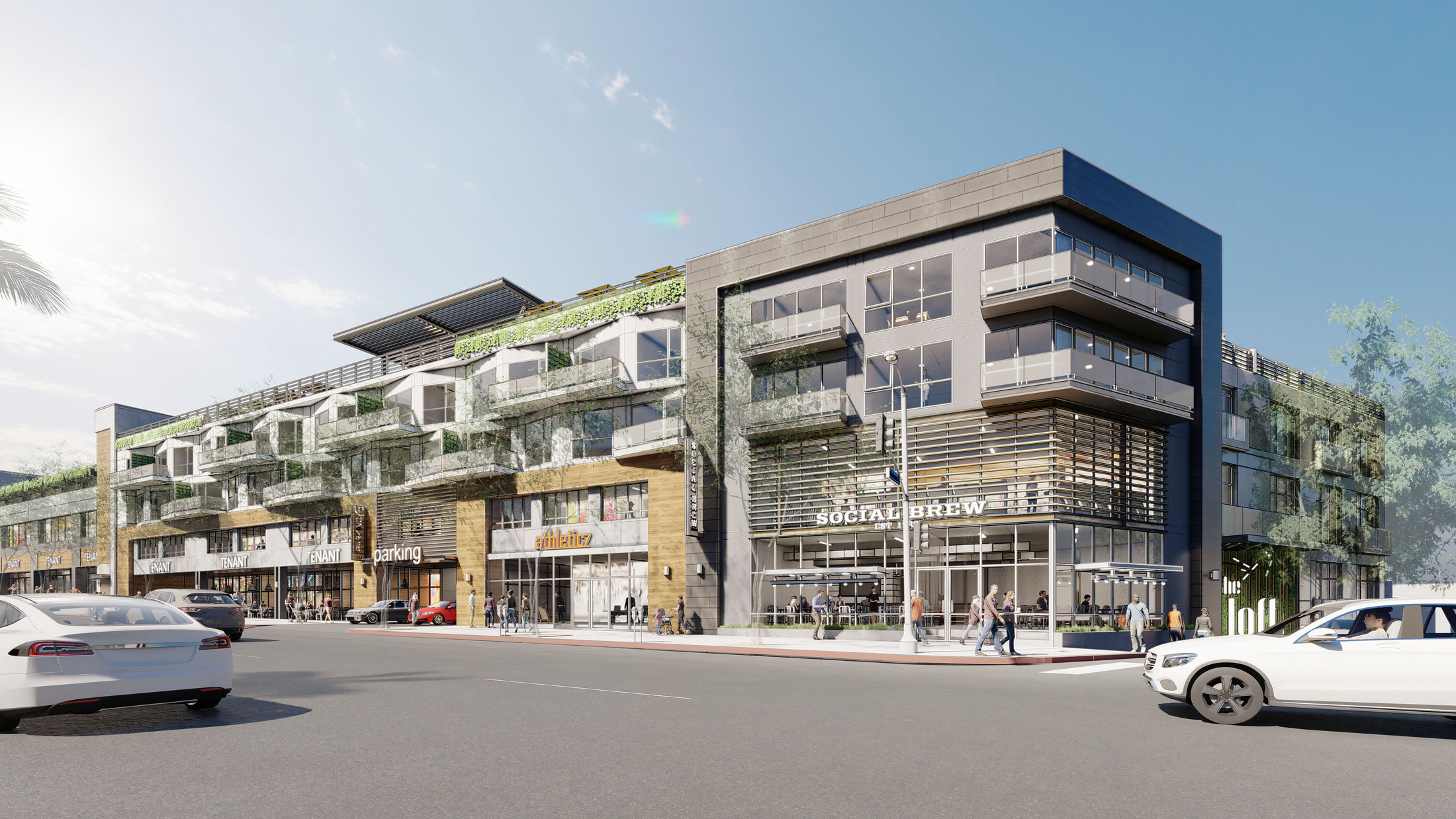
Mixed-Use Development Roofing
Commercial roofing for mixed-use buildings, urban infill developments, and live-work-play properties throughout Charlotte, NC.
Commercial Roofers Charlotte
Mixed-Use Development Roofing work starts with a documented roof walk and ends with a scope owners can use.
Charlotte's rapid population growth has transformed entire corridors from single-family neighborhoods into dense mixed-use districts, with South End leading the most visible transformation. The Silver Line light rail extension and the existing Blue Line have driven transit-oriented development from NoDa through Midtown and down to the Scaleybark station area, producing block after block of retail-and-commercial podium buildings that present roofing contractors with a distinct set of technical challenges. These buildings are being constructed and renovated at a pace that rewards contractors who can mobilize quickly and work efficiently within the urban grid.
The podium construction model dominant in Charlotte's mixed-use pipeline - concrete or steel retail plinth with wood-frame commercial floors above - creates a roof-at-transition that is simultaneously the retail ceiling and the commercial floor deck. Waterproofing this deck is the most critical element of the entire building envelope, and failures here have produced litigation in several high-profile South End and Uptown projects. A fully adhered TPO or PVC membrane with a separate waterproofing layer below the structural topping slab is the assembly that delivers long-term performance; skimping on this detail during the initial construction creates remediation costs that dwarf any savings.
Charlotte's summer thunderstorm season delivers intense rainfall events that test drainage design, and the suburban legacy of undersized storm infrastructure means urban properties often receive runoff from adjacent lots as well as their own roof areas. Mixed-use buildings in the South End and Plaza Midwood corridors have limited perimeter area for overflow scuppers given the party wall conditions, so internal drain systems must be sized conservatively and kept clear of debris. Maintenance programs that include biannual drain inspections are essential to preventing the interior flooding that can damage retail inventory and commercial finishes simultaneously.
Green roofs and rooftop amenity decks have become selling points in Charlotte's competitive luxury rental market, particularly in the Uptown and South End subdistricts where developers are differentiating their projects with outdoor common space. The waterproofing beneath a rooftop amenity deck must be designed for the combined loads of pavers, planters, and occupancy while maintaining accessibility for maintenance and eventual replacement. In Charlotte's climate, which swings between humid subtropical summers and occasional winter ice events, the membrane must accommodate the thermal cycling that causes expansion and contraction in both the structure and the waterproofing layer.
For portfolio owners, the goal is consistent documentation across properties, not a one-off opinion that cannot be compared later.
The first visit produces a practical roof record: current conditions, visible failure points, drainage notes, access concerns, and the repair or replacement path that fits the building.
Owners get a written scope that separates urgent water-control work from longer-term capital planning, so the roof decision is not made from guesswork.
The closeout package keeps the next decision clear with before photos, after photos, material notes, warranty coordination, and recommended maintenance timing.
For occupied buildings, staging, access, odor control, and tenant communication are part of the roof plan before crews arrive.
Can a new single-ply membrane be installed over an existing BUR roof on a Charlotte building?
Yes, if the moisture survey shows the existing BUR insulation is dry and the BUR plies are structurally intact. Most major TPO and EPDM manufacturers have published recover specifications that allow their membrane to be installed over a sound BUR substrate. The recover specification typically requires a cover board - high-density polyiso or gypsum - over the existing BUR surface before the new membrane is installed. We verify the recover specification with the manufacturer before scoping and obtain manufacturer confirmation that the recover configuration qualifies for the target warranty term.
How many cores do you pull on a Charlotte BUR moisture survey?
Minimum five locations on a roof under 10,000 square feet. On larger roofs we target one core per 2,000 to 2,500 square feet, concentrated in areas showing surface deflection, prior repair work, or drainage anomalies. On BUR roofs with a history of localized leaks, we pull additional cores around the reported leak locations and at all four parapet corners - the highest-probability moisture entry points on older Charlotte BUR systems.
Does BUR work require a permit?
Replacement and recover projects above the City of Charlotte's threshold - currently $30,000 in contract value for commercial work - require a building permit filed with the relevant jurisdiction. We handle permitting as part of our scope for all BUR replacement and recover projects in Charlotte, Mecklenburg County, and the surrounding municipalities. Repair work below the permit threshold does not typically require a permit, but we document all repair work to the same standard regardless of permit status.
BUR assessment for an older Charlotte commercial building?
We will walk the roof, pull moisture cores, and produce a written assessment with recover-vs-tear-off recommendation - for any BUR system in Uptown, South End, NoDa, or anywhere else in the Charlotte metro.
Planning Mixed-Use Development Roofing
Mixed-Use Development Roofing should be evaluated through the roof condition, the building use, the owner's timing, and the level of documentation needed to make a decision.
The written record should make the next step clear without relying on broad claims or generic sales language.
Request a Written Scope