

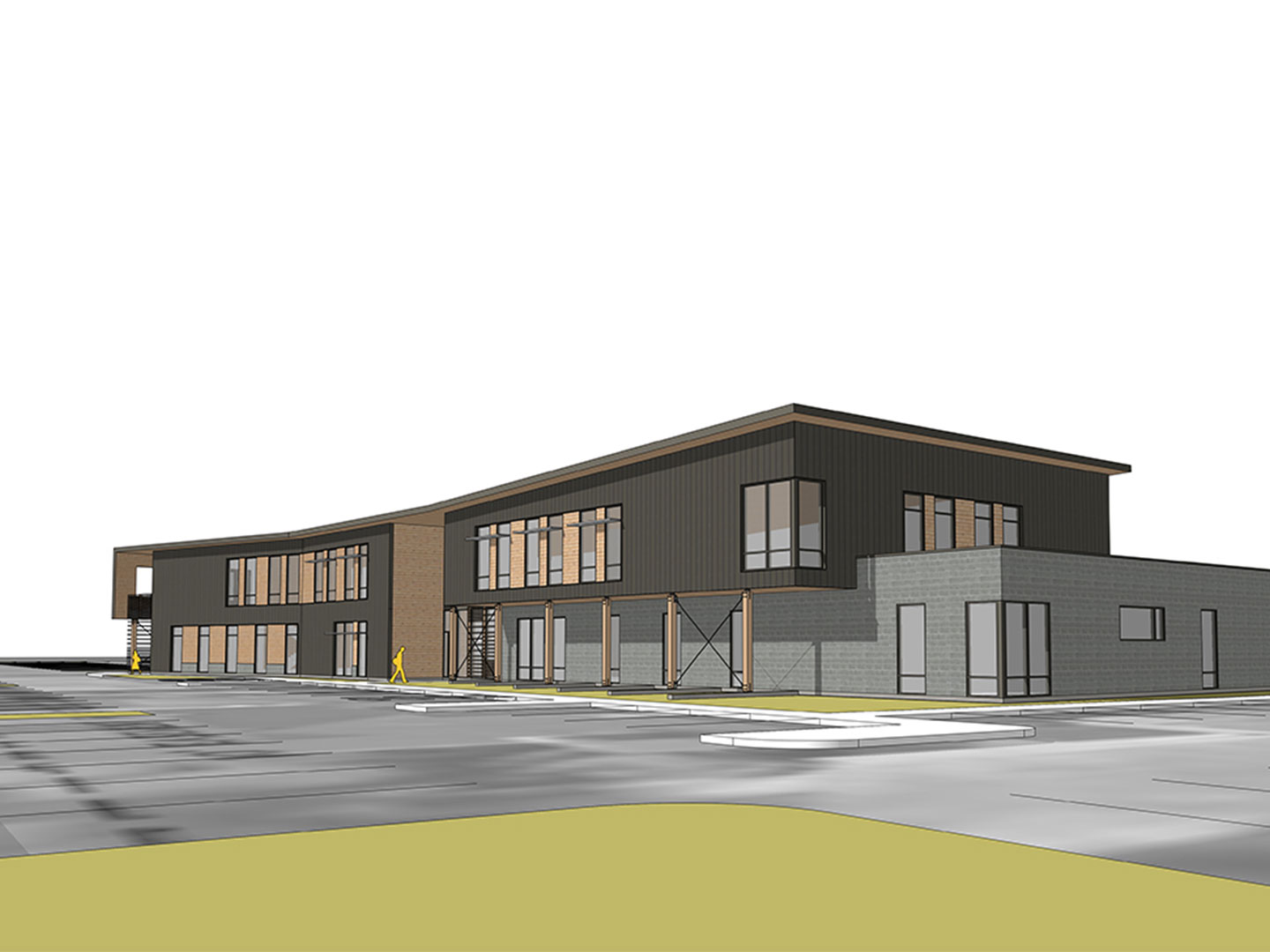
Healthcare Facility Roofing
Commercial roofing for hospitals, medical office buildings, surgical centers, and healthcare facilities throughout Charlotte, NC.
Commercial Roofers Charlotte
Healthcare Facility Roofing work starts with a documented roof walk and ends with a scope owners can use.
Charlotte's healthcare sector has undergone a decade of near-continuous capital expansion, with healthcare campus anchoring a massive campus footprint across the region and healthcare campus competing for market share through new outpatient surgery centers, urgent care clusters, and specialty clinics spread from Ballantyne to Huntersville. The physical scale of this growth means that roofing contractors serving Charlotte's medical market regularly work on everything from freestanding urgent care buildings under 5,000 square feet to connected hospital tower complexes exceeding 500,000 square feet of roof surface - and the protocols required do not scale down just because the building is smaller.
Piedmont North Carolina's climate subjects Charlotte's rooftops to a wide swing of thermal stress across the calendar year. Summer afternoons regularly push surface temperatures on dark membrane roofs past 160 degrees Fahrenheit, while ice storm events in January and February can load a flat roof with unexpected weight and force water into any detail that has not been properly sealed. For a medical office building serving healthcare campus's physician network along Carmel Road or a rehabilitation hospital near Eastover, these thermal cycling events accelerate membrane aging faster than in more moderate climates, making material selection and installation quality critical investments.
Charlotte's surgical and procedural facilities maintain extraordinarily tight environmental controls, and any breach in the roof assembly that allows humidity infiltration into the interstitial space above an operating suite creates the conditions for mold growth that can compromise air quality in a space where patients are immunocompromised. Our project managers work with facility infection control coordinators to establish ICRA risk categories for each section of every healthcare reroofing job, document those classifications in writing, and maintain those records as part of the close-out package delivered at project completion.
The density of medical campuses in Charlotte's SouthPark and Cotswold areas creates a unique logistical challenge: many medical office buildings sit on tight parcels with limited staging space, and crane lifts for insulation or membrane delivery must be coordinated against patient drop-off lanes, ambulance routes, and occupied parking structures. We handle this logistics complexity as a core competency, not an afterthought - our supervisors walk every site before scheduling to identify material staging zones, crane pad locations, and emergency vehicle access paths that must remain clear throughout the project.
For portfolio owners, the goal is consistent documentation across properties, not a one-off opinion that cannot be compared later.
The first visit produces a practical roof record: current conditions, visible failure points, drainage notes, access concerns, and the repair or replacement path that fits the building.
Owners get a written scope that separates urgent water-control work from longer-term capital planning, so the roof decision is not made from guesswork.
The closeout package keeps the next decision clear with before photos, after photos, material notes, warranty coordination, and recommended maintenance timing.
For occupied buildings, staging, access, odor control, and tenant communication are part of the roof plan before crews arrive.
Can a new single-ply membrane be installed over an existing BUR roof on a Charlotte building?
Yes, if the moisture survey shows the existing BUR insulation is dry and the BUR plies are structurally intact. Most major TPO and EPDM manufacturers have published recover specifications that allow their membrane to be installed over a sound BUR substrate. The recover specification typically requires a cover board - high-density polyiso or gypsum - over the existing BUR surface before the new membrane is installed. We verify the recover specification with the manufacturer before scoping and obtain manufacturer confirmation that the recover configuration qualifies for the target warranty term.
How many cores do you pull on a Charlotte BUR moisture survey?
Minimum five locations on a roof under 10,000 square feet. On larger roofs we target one core per 2,000 to 2,500 square feet, concentrated in areas showing surface deflection, prior repair work, or drainage anomalies. On BUR roofs with a history of localized leaks, we pull additional cores around the reported leak locations and at all four parapet corners - the highest-probability moisture entry points on older Charlotte BUR systems.
Does BUR work require a permit?
Replacement and recover projects above the City of Charlotte's threshold - currently $30,000 in contract value for commercial work - require a building permit filed with the relevant jurisdiction. We handle permitting as part of our scope for all BUR replacement and recover projects in Charlotte, Mecklenburg County, and the surrounding municipalities. Repair work below the permit threshold does not typically require a permit, but we document all repair work to the same standard regardless of permit status.
BUR assessment for an older Charlotte commercial building?
We will walk the roof, pull moisture cores, and produce a written assessment with recover-vs-tear-off recommendation - for any BUR system in Uptown, South End, NoDa, or anywhere else in the Charlotte metro.
Planning Healthcare Facility Roofing
Healthcare Facility Roofing should be evaluated through the roof condition, the building use, the owner's timing, and the level of documentation needed to make a decision.
The written record should make the next step clear without relying on broad claims or generic sales language.
Request a Written Scope