

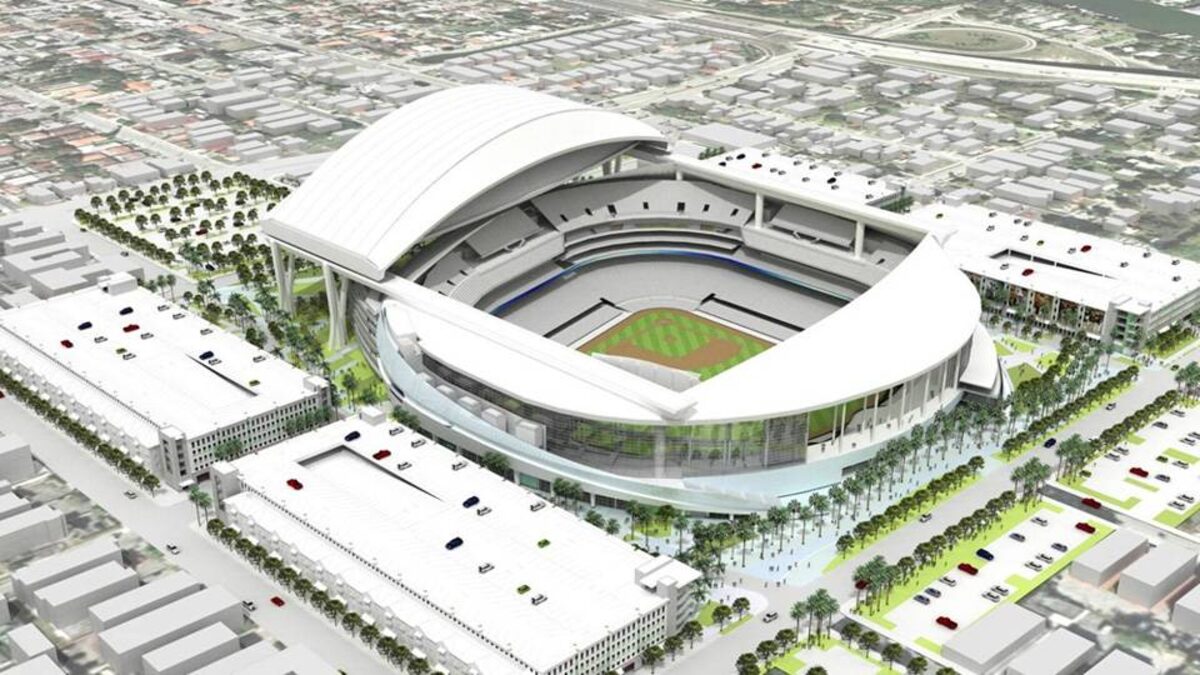
Stadium & Arena Roofing
Commercial roofing for stadium & arena roofing in Charlotte, NC - specifications, scheduling, and project coordination for this building type.
Commercial Roofers Charlotte
Stadium & Arena Roofing roof work is shaped by occupancy, access, drainage, tenant protection, and the warranty path that fits the building.
Charlotte's commercial market spans the I-77 South Park corridor, the University Research Park along US-29, the airport area Steele Creek industrial zone, and the South End and NoDa redevelopment districts. Stadium and arena structures in this market operate on packed event calendars - professional sports, concerts, graduations, and community events - that compress available roofing windows to a handful of confirmed dark periods per year, requiring a project plan based on the booking calendar before the contract is written.
The risk profile of a stadium or arena roofing project in Charlotte is categorically different from standard commercial work - and the documentation requirements are proportionally more demanding. A roof failure over an occupied seating area during a capacity event creates liability exposure that exceeds the project contract value by orders of magnitude. We treat documentation as a primary deliverable on every large-venue engagement, not as an afterthought at closeout.
Insurance requirements for stadium roofing contractors in Charlotte typically include general liability limits of $5M to $10M per occurrence, additional insured endorsements naming the venue owner, venue management company, anchor tenant organization, and in some cases the municipality or university that owns the facility. Umbrella coverage is standard. We maintain the coverage levels required for large-venue work and provide certificates in the format the venue's risk management department requires - not a standard form with a generic additional insured endorsement that the risk manager will reject.
Manufacturer warranty documentation for a stadium re-roofing project in Charlotte protects not just the roof system but the venue's asset position. A correctly registered, fully documented 20-year NDL (No Dollar Limit) warranty from a major manufacturer - Carlisle, Firestone, GAF, Johns Manville - requires that the contractor be a certified applicator and that the installation be inspected by the manufacturer's field representative at key stages. We hold manufacturer certification, schedule field representative inspections, and register warranties before final billing. A warranty that isn't registered and documented is a warranty that won't pay out when it's needed.
The closeout package keeps the next decision clear with before photos, after photos, material notes, warranty coordination, and recommended maintenance timing.
For occupied buildings, staging, access, odor control, and tenant communication are part of the roof plan before crews arrive.
For portfolio owners, the goal is consistent documentation across properties, not a one-off opinion that cannot be compared later.
The first visit produces a practical roof record: current conditions, visible failure points, drainage notes, access concerns, and the repair or replacement path that fits the building.
Owners get a written scope that separates urgent water-control work from longer-term capital planning, so the roof decision is not made from guesswork.
Stadium & Arena Roofing - Risk & Documentation Questions
Most large-venue facilities in Charlotte require roofing contractors to carry $5M to $10M per-occurrence general liability coverage, plus a $5M or $10M umbrella. Additional insured endorsements are typically required for the property owner, management company, anchor tenant, and any municipal or institutional co-owner. We maintain these coverage levels as a standard condition of doing large-venue work - not as a special accommodation.
Potential exposure includes property damage from water intrusion, business interruption claims from the venue and tenants, personal injury claims if any fan or staff member is harmed, and reputational damage to the venue brand. These claims would be directed first at the venue owner, and through indemnification language in the roofing contract, at the roofing contractor. The risk management framework for a stadium roofing project - contractor insurance, indemnification language, warranty terms, and closeout documentation - is designed to allocate this exposure correctly before work begins.
Public stadium and arena facilities in NC typically require a performance bond equal to 100% of the contract value and a payment bond equal to 100% of the contract value. Private venue owners may require performance bonding at their discretion - we recommend it for any stadium project over $500,000. We are fully bondable at the project scales required for large-venue work and provide bond documentation as part of the contract package.
How Stadium & Arena Roofing affects the roof scope
Stadium & Arena Roofing roof work is shaped by occupancy, access, roof size, equipment density, tenant expectations, safety requirements, and how the owner uses the building.
The same membrane failure can require a different plan on a warehouse, office, school, restaurant, medical building, retail center, or multifamily property because the operating constraints are different.
What owners should expect to see in writing
The written scope should identify existing roof conditions, active leak points, drainage concerns, roof traffic areas, equipment curbs, edge conditions, and any areas that require further testing before pricing is final.
It should also separate near-term repair from longer-term capital planning so the owner can decide what needs action now and what belongs in the next budget cycle.
Related planning paths
Owners can use this page with commercial roof maintenance, commercial roof replacement, roof systems, and roof asset management.
Those links connect the building type to the service path, system choice, and documentation work needed to make a responsible roof decision.
Scope questions to answer early
Before a final scope is written for Stadium & Arena Roofing, the building owner should understand what roof areas were observed, what areas were not accessible, what assumptions are being made, and what conditions could change the price or schedule after work begins.
That includes active leak locations, ponding water, interior sensitivity, roof traffic, parapet and edge conditions, equipment curbs, drain condition, prior repairs, membrane age, substrate concerns, and whether the roof has already been recovered before.
Request a Written Scope