

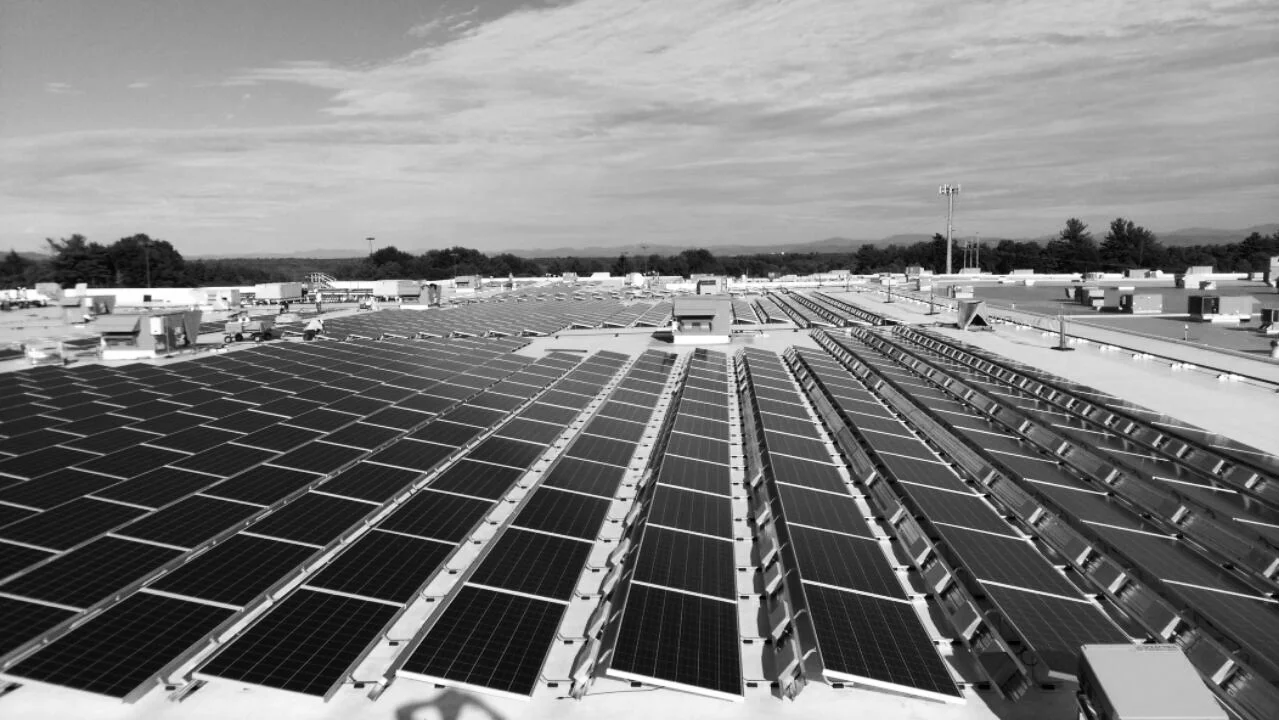
Energy Sector Roofing
Commercial roofing for utility corridor's Charlotte headquarters, Albemarle Corp energy materials facilities, and Siemens energy systems campus across the Charlotte metro.
Commercial Roofers Charlotte
Energy Sector Roofing roof work has to respect operations, access limits, safety requirements, and the record owners need after the work is complete.
utility corridor's global headquarters at 526 S Church St in Uptown Charlotte anchors one of the largest energy company facility footprints in the Carolinas. The energy sector's Charlotte presence - spanning utility operations, energy materials production, and energy equipment manufacturing - creates a roofing market where operational continuity, safety protocol compliance, and documented closeout standards are baseline expectations, not differentiators.
Albemarle Corporation, headquartered at 4250 Congress St in Charlotte's SouthPark corridor, is one of the world's largest producers of lithium and specialty chemicals used in energy storage systems and battery technology. The company's Charlotte facilities handle research, testing, and corporate operations related to energy materials that power electric vehicles and grid-scale battery systems. Roofing on Albemarle facilities requires the same chemical exposure awareness that any specialty chemical company's buildings demand - exhaust penetration assessment, appropriate flashing material specification, and awareness of what the building's systems are exhausting through the roof.
Siemens' Charlotte energy systems campus produces transformer components, high-voltage switchgear, and electrical distribution equipment that goes into grid infrastructure projects across the country. The manufacturing buildings on the Siemens campus are purpose-built industrial structures with overhead crane systems and controlled production environments - the same combination of structural specificity and operational sensitivity that characterizes any precision manufacturing facility, amplified by the regulatory environment that surrounds electrical equipment manufacturing.
For portfolio owners, the goal is consistent documentation across properties, not a one-off opinion that cannot be compared later.
The first visit produces a practical roof record: current conditions, visible failure points, drainage notes, access concerns, and the repair or replacement path that fits the building.
Owners get a written scope that separates urgent water-control work from longer-term capital planning, so the roof decision is not made from guesswork.
The closeout package keeps the next decision clear with before photos, after photos, material notes, warranty coordination, and recommended maintenance timing.
For occupied buildings, staging, access, odor control, and tenant communication are part of the roof plan before crews arrive.
utility corridor Facilities - Corporate Campus and Operations Infrastructure
utility corridor's headquarters tower at 526 S Church St is a high-rise commercial building whose roofing and rooftop mechanical systems are managed by the company's real estate and facilities organization. The support buildings in the headquarters campus - including the utility corridor Center for the Performing Arts adjacent buildings and the company's Uptown operations spaces - carry conventional commercial roofing systems that are maintained under the utility's capital asset management framework.
utility corridor's grid operations facilities - substations, metering centers, and distribution operations buildings across Mecklenburg and surrounding counties - present a different set of roofing considerations. Electrical safety clearances at active substations require contractor safety training before any work can begin near energized equipment. utility corridor's contractor safety orientation process defines clearance distances, personal protective equipment requirements, and the permit-to-work process that governs any contractor activity near energized electrical infrastructure. We complete the utility's required safety orientation before presenting any scope on substation-adjacent facilities.
McGuire Nuclear Station on Lake Norman and Catawba Nuclear Station in York County, SC operate within the nuclear regulatory framework that governs any work on NRC-licensed facilities. Roofing on non-radiological support buildings at or near nuclear station campuses requires DOE and utility contractor qualification that is distinct from standard commercial roofing credentialing. Our project managers understand the qualification process for nuclear station support facility work and maintain the documentation required to work in that environment.
Albemarle Corp Energy Materials Facilities - Chemical Exposure Awareness
Albemarle's Charlotte operations include research laboratories and analytical testing facilities where lithium compounds, specialty catalysts, and other energy materials are handled and characterized. The exhaust systems that service these facilities - laboratory fume hoods, process exhaust fans, and purge ventilation - discharge through roof penetrations that create localized chemical exposure at the flashing line. The chemistry of lithium compound exhaust and specialty catalyst processes requires specific assessment before specifying flashing materials: what is chemically neutral to standard TPO at ambient exposure levels may create accelerated degradation at sustained direct discharge contact.
We request safety data sheet information on the materials handled in research and process areas before finalizing flashing material specifications on Albemarle facilities. This is not a liability hedge - it is the correct engineering approach to specifying roofing materials on a chemical company's building. The SDS data tells us what the exhaust chemistry is, which tells us whether standard TPO flashing, PVC flashing, or a different material is appropriate at each specific penetration. That analysis is part of our pre-construction scope development, not an afterthought.
Siemens Energy Systems Campus - Industrial Roofing in an Electrical Equipment Environment
Siemens' Charlotte campus produces electrical distribution equipment - transformers, switchgear, and related infrastructure that goes into grid systems. The manufacturing environment inside these buildings involves high-voltage testing of completed equipment, which creates electromagnetic and safety protocol considerations that govern how contractor work is sequenced relative to production activity. We coordinate our production schedule with the facility's safety and production management team to ensure that roofing work is not occurring simultaneously with high-voltage testing in adjacent areas of the building.
The testing and final assembly areas on the Siemens campus require controlled environmental conditions - temperature and humidity ranges that protect the equipment being assembled and tested. A moisture intrusion event above a final assembly or testing area creates both a safety risk and a quality control event that the facility's quality management system documents and investigates. Same-day dry-in on every section we open is non-negotiable on the Siemens campus for this reason - and we document the dry-in photograph every day, uploaded to the project log before our crew leaves the site.
Energy equipment manufacturing buildings in Charlotte's industrial corridors - including facilities that produce electrical components for solar, wind, and storage applications - are part of the growing energy economy that is expanding in the I-85 corridor and the Cabarrus County industrial parks. These buildings share the structural and operational characteristics of the Siemens campus and respond to the same production sequencing and documentation standards.
How do you handle chemical exhaust penetration flashing on Albemarle facilities?
We request SDS information on materials handled in process and laboratory areas before specifying flashing materials. That chemistry analysis tells us whether standard TPO flashing, PVC, or another material is appropriate at each penetration. We specify at the penetration level - not across the entire building - so the specification matches the actual exposure profile.
Do you work on substations and metering facilities in addition to office and headquarters buildings?
Yes. Substation and metering facility roofing requires electrical safety clearance compliance and the utility's permit-to-work process. Our project managers are familiar with the clearance requirements and the documentation the utility's safety team needs before contractor work begins near energized electrical infrastructure.
Roofing scope for a Charlotte energy sector facility?
Our project managers understand utility corridor facility qualification requirements, Albemarle chemical exposure considerations, and the production sequencing constraints at Siemens energy systems manufacturing buildings.
Request a Written Scope